

You want the very best veterinary medical care available for your pet - to support them and help them live their best lives. At Dreaming Summit Animal Hospital, we do too! Exceptional veterinary care is our standard, including the essential pet vaccines for your furry family.
Call or book online to schedule your pet's appointment with us today!
Why Should I Vaccinate My Pet?
You want to be the best pet parent you can possibly be, and that means making your pet’s health a top priority. The Dreaming Summit Animal Hospital team is here to help you by providing the personalized, high-quality care they need. Vaccinating your pet…
Prevents disease and illness
Vaccines train your pet’s immune system to recognize and fight dangerous infections before they can cause disease. Many of these illnesses can be severe, life-threatening, or difficult to treat.
Protect your family
Some diseases, like rabies and leptospirosis, can be transmitted from animals to people. Keeping your pet vaccinated helps protect everyone in your household.
Support community health
Vaccination reduces the spread of contagious diseases in the pet population, helping protect vulnerable animals in your community.
Save money long-term
Preventing disease is far more affordable and far less stressful than treating advanced illness. Vaccination is one of the most cost-effective steps you can take to protect your pet.

What Vaccinations Does My Pet Need?
Vaccinations for your pet can be broken down into two different categories: core vaccines and non-core vaccines. Core vaccinations are vaccines we recommend for all pets. Non-core vaccinations are vaccines we recommend based on your pet's unique medical history and lifestyle.
Core Vaccines for Puppies and Dogs
- Rabies: A virus that causes an animal’s brain to become inflamed. Rabies spreads through a bite from an infected animal and can be spread to humans.
- Parvovirus: Also known as parvo, this highly contagious virus can be spread from one dog to another through direct or indirect contact with infected feces.
- Bordetella Bronchiseptica (kennel cough): A bacterium that causes a highly contagious respiratory disease in dogs, characterized by a persistent, often "honking" cough.
- Leptospirosis: A bacterial disease, caused by the bacteria Leptospira, that can infect animals often through contact with contaminated water or soil.
- Canine hepatitis: Also known as infectious canine hepatitis, this is an infection that affects a dog’s liver. This disease is caused by canine mastadenovirus and spreads through an infected dog's saliva, blood, urine, feces, and nasal discharge.
- Canine Parainfluenza: A contagious respiratory virus that is spread through coughing or sneezing with contaminated bowls and bedding.
- Canine distemper virus: A virus that attacks a dog's nervous system, respiratory system, and gastrointestinal system. This virus affects a variety of mammals.
Non-Core Vaccines for Puppies and Dogs
- Influenza
- Lyme disease
- Rattlesnake vaccine
Core Vaccines for Kittens and Cats
- Rabies: Like dogs, cats can also become infected with rabies. Did you know that cats are the most commonly reported domestic animal with rabies?
- Feline Leukemia virus (FeLV): A retrovirus that infects cats, causing a range of diseases, including cancer and immune system suppression, and is transmitted through bodily fluids, especially saliva, during close contact.
- Feline calicivirus: Causes oral disease and different upper respiratory infections in cats. It is spread through the saliva of an infected cat and discharge from the nose and eyes.
- Feline rhinotracheitis: Has many names, including feline viral rhinotracheitis (FVR) and herpesvirus infection. FVR is a highly contagious upper respiratory infection spread through direct contact with saliva and discharge from the nose and eyes of an infected kitten or cat.
- Feline panleukopenia virus: also known as feline distemper, is a highly contagious, severe infection that affects a kitten's or cat's nervous, immune, and gastrointestinal systems. Feline distemper affects kittens more severely than cats.
- Chlamydophila felis: A Gram-negative bacterium that causes conjunctivitis, inflammation of the eye lining, and can also lead to upper respiratory infections with symptoms like sneezing and nasal discharge.
Non-Core Vaccines for Kittens and Cats
- Feline leukemia virus (FeLV)
- Chlamydophila felis
*At your first visit, our veterinarians will advise you about your pet's vaccination schedule based on your pet’s health, lifestyle, and local regulatory guidelines.
What to Expect When Vaccinating Your Pet

Initial Health Check
Before administering any vaccines, our veterinarians will conduct a thorough physical exam to ensure your pet is healthy and ready for vaccination. This helps us provide vaccines safely and at the appropriate time.
Guideline-Backed Vaccination Plan
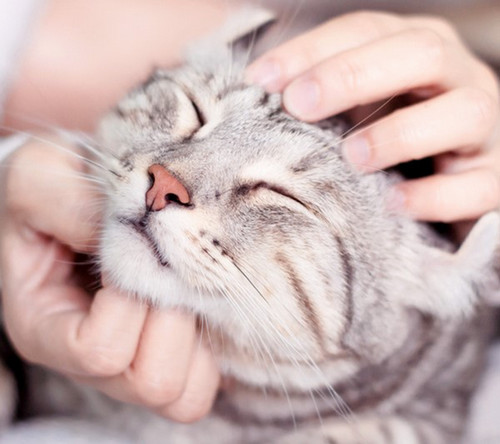
Vaccinations follow established veterinary guidelines. Puppies and kittens receive a series of vaccines to build strong immunity early in life, followed by booster vaccines at recommended intervals as adults. If your pet has specific health considerations or unique exposure risks, we will discuss appropriate recommendations with you to be sure we tailor the vaccine series to their needs.
Aftercare & Ongoing Support
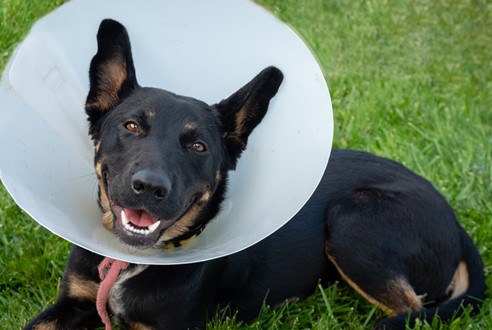
Most pets tolerate vaccines very well. Mild tiredness or slight soreness at the injection site may occur and typically resolve within a day or two. We will review what to expect after your visit and discuss rare reactions to monitor for. If you have any concerns after vaccination, our team is always available to help.
Book Your Pet's Vaccinations Today!

Pet Vaccination FAQs
Here are a few commonly asked questions about pet vaccinations from pet parents in our community.
Why does my pet need vaccinations?
Vaccinations help protect your pet from serious, contagious diseases. Many of these illnesses are difficult and costly to treat and, in some cases, are fatal. Vaccination is one of the most effective ways to prevent disease and protect long-term health.
At what age should I start vaccinating my pet?
Puppies and kittens typically begin vaccinations at 6-8 weeks of age. Because maternal antibodies gradually decline during early life, a series of booster vaccines is needed to build reliable immunity.
Are there side effects to pet vaccines?
Most pets experience no significant side effects. Mild lethargy, decreased appetite, or tenderness at the injection site may occur and usually resolve quickly. Serious reactions are uncommon, but if you notice vomiting, facial swelling, difficulty breathing, or significant lethargy, contact us promptly.